
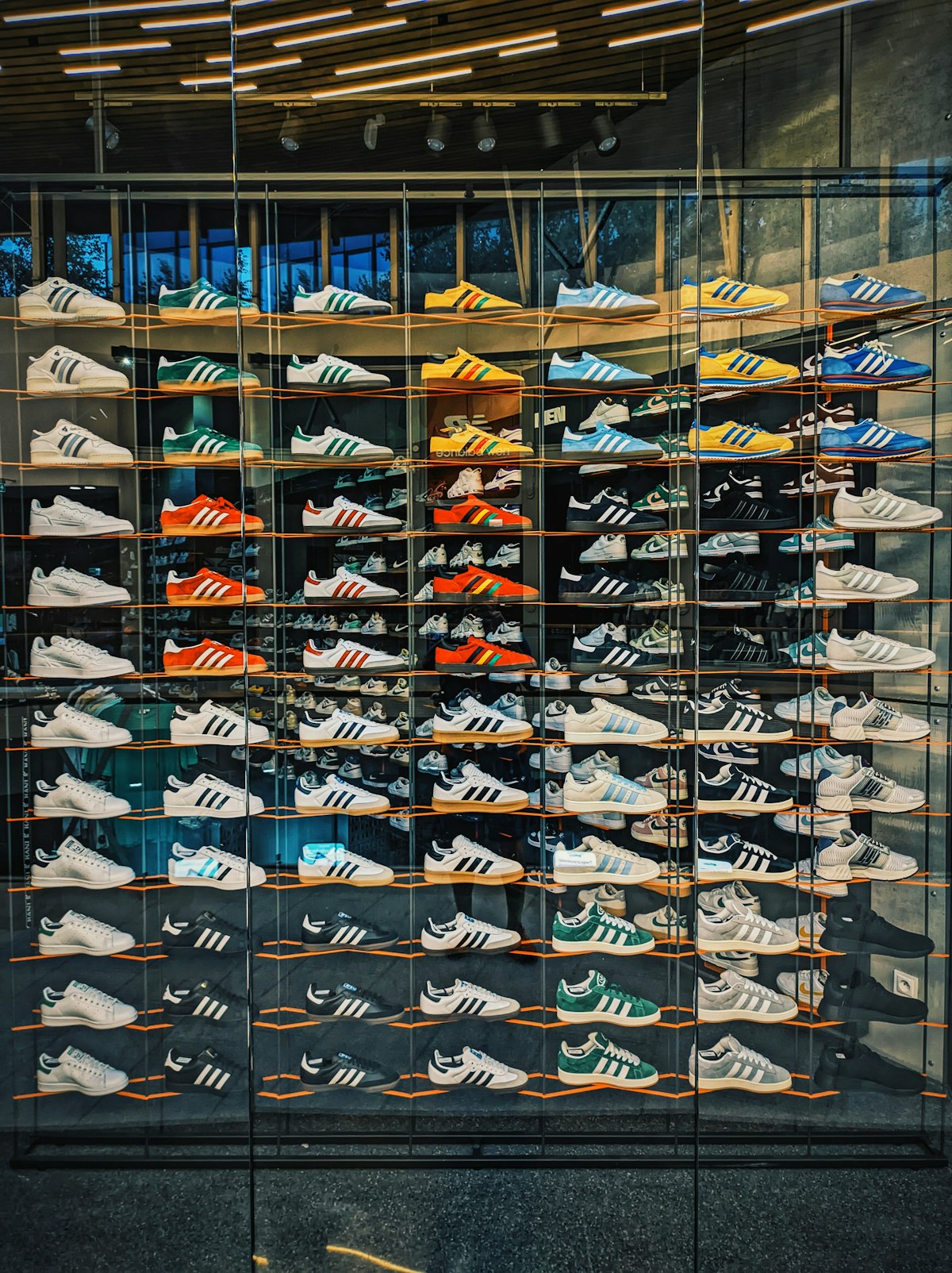
The internet made everything available and nothing special. Any song, image, or piece of software can be copied a billion times at zero cost. The old logic of value just falls apart. And yet people still camp outside stores for sneakers, refresh pages for a Supreme drop, pay real money for a trading card they could photograph for free.
Scarcity still works. The question is why, and what that means for digital goods.
The physics of wanting
Scarcity is not a trick. It’s a signal.
When something is rare, it tells you that getting it required luck, timing, or taste. Collectors have always been buying those things. The Jordan 1 Chicago is a piece of foam and leather. What you actually own when you buy it is proof that you were there, that you understood, that you got it before everyone else did.
This is why limited editions work. Rarity encodes a story inside the object. A Bearbrick, a Palace collab, a first-edition card: they all carry context that a mass-produced version simply can’t. The copy is identical. The meaning isn’t.
Sneaker culture built the playbook
Sneaker drops turned scarcity into a repeatable system. Nike and adidas learned early that releasing fewer units than the market wanted created something more valuable than revenue. It created desire.
The drop model does something subtle: it shifts the question from “do I want this?” to “can I get this?” That shift matters. Scarcity turns a product decision into a competition. Competition makes people care in a way that open availability never will.
The secondary market proved it. A shoe reselling for three times retail isn’t irrational pricing. The market is pricing in the story: the drop, the queue, the moment.
Limited toys followed the same path. Kaws, Secret Base, Medicom built entire cultures around production runs of a few hundred units. The object itself is often simple. The edition size is the art.
Why digital struggled to learn this
For twenty years, digital products resisted scarcity because the infrastructure worked against it. Copying is what software does. Any artificial limitation felt like theater.
NFTs tried to solve this. They largely failed on the cultural level, not the technical one. The scarcity mechanism was fine. The problem was that most NFT projects had no underlying aesthetic culture, no history of taste. There was no reason for anyone to care whether they got one or not.
Scarcity without culture is just a locked door.
What actually creates digital value
The physical collectibles world has always understood something that digital keeps forgetting. The object is an entry point into a community of taste.
When you own a specific colorway of a limited figure, you belong to a group of people who also understood that drop, that designer, that moment. The object is a social token. It says something about who you are and what you pay attention to.
Digital collectibles that work follow the same structure. The scarcity has to be real. The aesthetic has to be specific. And you need a sense that this particular widget or card might mean something later.
“Might mean something later” is doing a lot of work in that sentence. It’s what keeps collectors checking release dates.
The blindbox as honest scarcity
The blindbox mechanic might be the most elegant scarcity system ever designed. It distributes chance equally. You don’t know what you’ll get. Neither does anyone else. The rare pull is rare for everyone, so when you hit it, the rarity is real.
This comes straight from trading cards and toy gashapon culture, where the pull rate is the product. You’re not just buying an object. You’re buying a moment of possibility, and occasionally the payoff that makes the whole system feel alive.
For Home Screen widgets, this creates something new. Your phone becomes a display case. The rare widget sitting on your lock screen isn’t just decoration. It’s a signal to anyone who recognizes it.
Scarcity is not the opposite of digital
The assumption that digital means infinite is a design choice, not a law of physics.
Studios that understand drop culture and collector psychology can build digital things that behave like physical ones. Things that feel like they came from somewhere and that not everyone has.
That’s not nostalgia for physical goods. It’s where objects are going.