
Your phone screen is the first thing you see in the morning and the last thing you look at before sleep. For Gen Z, it doubles as a statement. Less a practical dashboard, more a mood board, deliberate and unmistakably personal.
This shift didn’t happen overnight. But at this point it’s hard to argue against it.
The screen is an extension of the self
Older generations treated their phone’s Home Screen like a utility closet. Everything accessible, nothing arranged. Gen Z treats it like a gallery wall.
This is a generation that grew up building aesthetic identities in public. Pinterest boards at twelve. Instagram grids at fifteen. TikTok “vibes” at eighteen. Visual identity-building is basically a native language for them. When you pick up your phone constantly, the screen you see should feel like you.
That’s not vanity. It’s coherence.
Mood board thinking goes everywhere
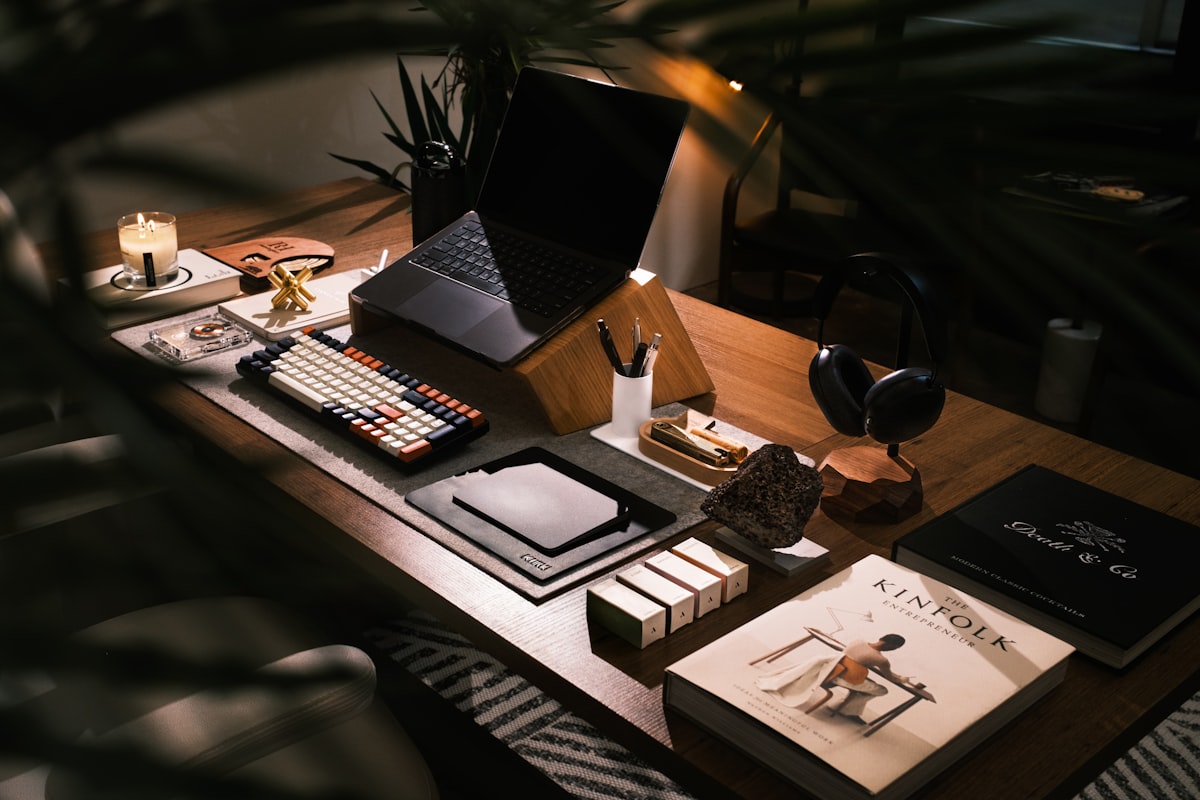
The mood board aesthetic has migrated off the wall and into every corner of daily life. Outfit of the day. Desk setup. Spotify playlist cover. Notion dashboard. And now, maybe more than anywhere, the phone Home Screen.
The logic hasn’t changed: put the things that represent you in proximity to each other and you create something that feels whole. A color palette. A vibe.
Gen Z doesn’t separate digital spaces from physical ones. The phone is the primary surface where identity gets performed and maintained, so decorating it feels as natural as choosing what to wear.
Customization went mainstream after iOS 14
Apple’s iOS 14 update cracked the door open in 2020, and Gen Z kicked it off its hinges. Custom widgets, icon packs, wallpaper color-matching. A generation that already understood mood board thinking suddenly had the tools to apply it to the most-viewed screen in their lives.
The aesthetic Home Screen became a genre overnight. Pinterest boards dedicated to iPhone setups accumulated millions of saves. TikTok tutorials on matching widget colors to wallpapers pulled tens of millions of views.
What started as niche became default. If you’re under twenty-five, caring how your Home Screen looks is just… normal.
The problem with customization
Most customization options reward effort, not discovery. You have to hunt down a widget, source a wallpaper, then hope it all fits together.
That process works for a certain type of person. It doesn’t work for everyone who cares how their stuff looks.
Collectible Home Screen objects fill that gap. Think of them less as tools or templates, more as designed objects that arrived with surprise and stuck because they mean something.
Blindbox mechanics meet the Home Screen
24QW brings blindbox logic to the iPhone Home Screen. Each collectible widget is a designed object with character and aesthetic weight, plus the small thrill of not knowing exactly what you’ll get until you open it.
Blindbox culture already runs deep in the spaces Gen Z occupies. Physical collectibles, digital drops, limited-run anything. The model works because discovery is baked into the appeal. You’re participating in a moment, not just adding an item to a cart.
On the Home Screen, that turns into something new. A widget that arrived by chance, fits a collection, and might get swapped out when your mood shifts. A living part of the aesthetic system you’re always building.
The Home Screen as a system
The vision behind 24QW goes broader than a single widget. Wallpapers, icon sets, accessories, all moving toward a coherent system where every element of the Home Screen carries the same design sensibility.
That matches how Gen Z already thinks about aesthetics. Not isolated pieces. Everything in conversation with everything else.
When your wallpaper, icons, and widgets share a visual language, the Home Screen stops being a launchpad for apps. It becomes something worth looking at.
It doesn’t have to be complicated
This shift doesn’t feel like effort to Gen Z. It feels like care.
Caring how your stuff looks isn’t precious or extra. Same instinct that has always driven people to hang things on walls and arrange objects on shelves. You choose one thing over another because of how it makes you feel.
The screen is yours. Make it look like it.