
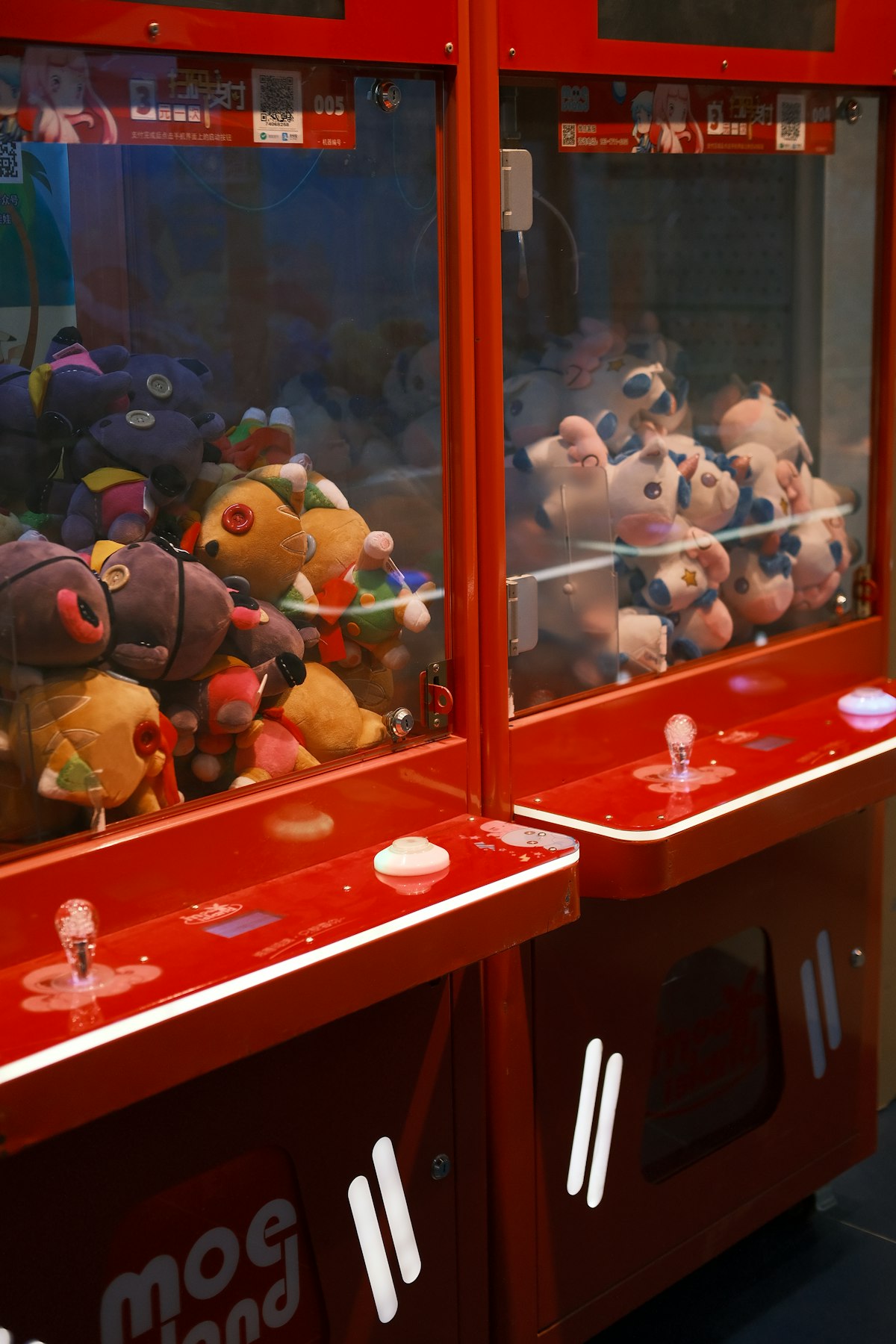
Somewhere around 2012, mobile gaming figured something out that Las Vegas had known for decades. Randomness, packaged correctly, feels better than certainty. Not just more exciting. Actually better. The kind of better that sticks in your memory and makes you come back.
Gacha games didn’t invent this. They industrialized it, though, and exported it globally. Along the way they shaped how an entire generation relates to collecting and what it means to want something you can’t just buy.
What gacha mechanics actually are
The word comes from “gachapon,” those Japanese vending machines that dispense capsule toys for a coin. You don’t pick what you get. That’s the whole thing.
Gacha games apply the same logic to digital pulls. Spend currency, get a random character or item. Most pulls are common. A few are rare. The rarest ones are designed to feel like events.
The mechanic is simple. The psychology underneath it? Not even close. When people talk about gacha mechanics explained in pure game design terms, they tend to miss the point. The system isn’t really about probability. It’s about how anticipation interacts with reward. That moment before you know what you got is engineered to feel as good as the reveal itself. Sometimes better.
Why random reward mechanics work on everyone
Variable ratio reinforcement is the technical name. Slot machines use it. Social media feeds use it. Gacha games made it the entire product.
The reason random reward mechanics hit so hard is that unpredictable rewards produce stronger behavioral responses than predictable ones. A guaranteed outcome trains a habit. An uncertain outcome creates a compulsion. Your brain doesn’t want to stop right before the good thing might happen.
This isn’t a moral failing. It’s just how dopamine works. Anticipation of reward activates the same circuits as the reward itself, sometimes more strongly. Gacha game psychology isn’t exploiting some glitch in human cognition. It’s running the main program.
The cultural layer gacha added
Psychology explains the hook. It doesn’t explain why people spend hours on YouTube watching pull videos, or why certain characters become full-blown icons with fan communities built around them.
Gacha added something slot machines never had: objects worth wanting.
The characters and items in successful gacha games are designed with real craft. Rare pulls aren’t just statistically unlikely. They look different, they come with backstories, and the rare ones feel like they actually matter. Owning one means something, and showing it off means more. The rarity is the point, and the design work earns it.
This is where gacha turns into collectible culture instead of gambling psychology. The person pulling for a specific limited character isn’t chasing a dopamine hit. They want to own something they think is cool, through a mechanism that makes getting it feel like an event.
The part that has nothing to do with games
Gacha culture proved something broader: the format of acquisition matters as much as the object being acquired.
Sneaker culture already knew this. Streetwear drops knew this. The queue, the raffle, the release date, the SNKRS app crashing on you at 10:01 AM. These rituals turn a purchase into an experience. You don’t just own the shoe. You have a story about getting it.
Gacha mechanics are the digital version of that ritual. The randomness is the story. The moment of reveal is where ownership begins. It makes the thing feel earned, not selected.
That’s a fundamentally different emotional register than adding something to a cart.
What happens when you move it off the screen
Games are easy to dismiss. Even people who play gacha games sometimes feel vaguely embarrassed about it, because a character in an app doesn’t obviously persist outside that context.
So the interesting question is: what happens when you apply the mechanic to something you already look at constantly?
Your iPhone Home Screen is yours in a way most digital spaces aren’t. You arrange it, rearrange it, pick your layout. It reflects something.
24QW borrows that gacha feeling and puts it somewhere you actually look. Tap to open, reveal a widget you didn’t expect, watch it land on the screen you use every day.
Same mechanic. But the reward lives outside any game. You see it every morning. Eventually you’ll be able to trade it, the way you’d pass along a figure you’ve moved on from.
No character sheets. No level-ups. Just something worth having, delivered in a way that makes the getting matter.
Turns out the getting is half the thing. Maybe more. A whole generation figured that out from a phone game, and now it’s just how they expect collecting to work.