
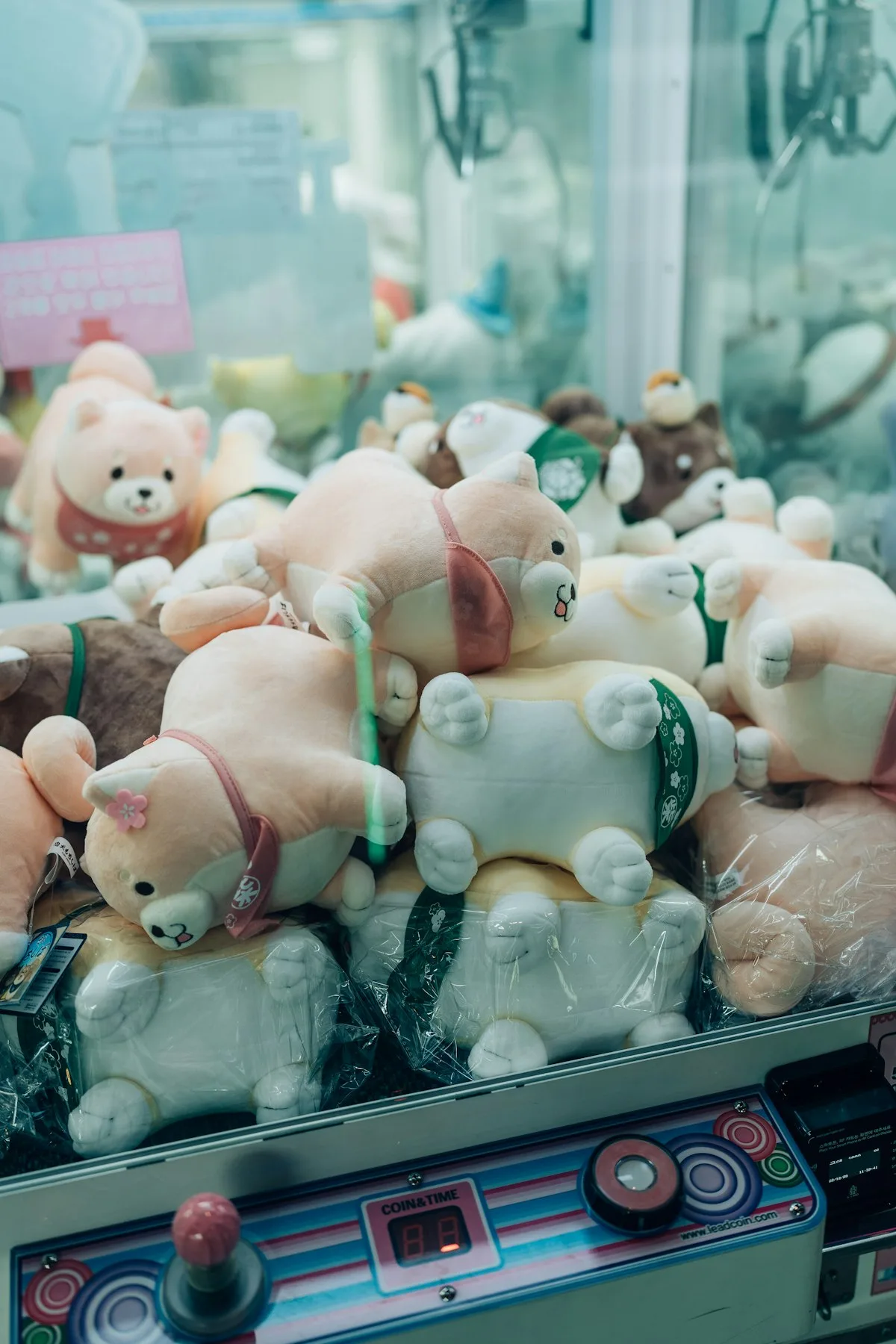
You’ve stood in front of those machines. The ones with the twist knob and the little capsules you can’t see through. You put in coins, you turn, something drops out, and you don’t know what it is until you crack it open.
A blind box app works the same way, except the thing you open lives on your phone.
What a blind box app actually is
A blind box app is an app where you discover collectible digital items through a surprise reveal, instead of picking them from a catalog. You tap, you wait a beat, something appears. You didn’t choose it. That’s the whole deal.
The items are usually visual — widgets, icons, wallpapers, things you can display. The appeal isn’t that they’re functional. It’s that you want them. Same instinct that makes you buy the Sonny Angel you can’t see inside the box, or grab one more pack of Pokemon cards at the checkout counter.
The app format just puts that experience in your pocket. No store visit. No shelf space. You open the app, tap, and the collectible lands on your home screen.
Why surprise works better than selection
Here’s something that took me a while to understand: choosing what you want and discovering what you get produce completely different feelings.
When you pick a widget from a grid, you get exactly what you expected. Clean transaction. No emotional residue. You liked it, you got it, done.
When you open a blind box, you sit in uncertainty for a second. Your brain doesn’t know what’s coming, and it rewards that not-knowing with dopamine. Not the result. The gap between question and answer. That’s where the feeling lives.
Research on variable rewards shows this clearly. Unpredictable outcomes trigger stronger dopamine responses than predictable ones. Your brain prefers “maybe” to “definitely.” A blind box app leans into that preference instead of fighting it.
You can read more about this in the psychology of unboxing, but the short version is: surprise isn’t a gimmick. It’s how your brain actually works.
The collector’s itch, now on your phone
Collecting stuff is older than money. Stamps, coins, baseball cards, Beanie Babies, Kaws figures, Pop Mart Labubu. People collect because the hunt feels good, because owning something rare feels good, because arranging your shelf feels good.
A phone screen is just another shelf.
You already curate your home screen. You move apps around, pick a wallpaper, adjust widget placement until it sits right. That’s collecting behavior already. A blind box app like 24QW just makes it explicit. You’re not just arranging. You’re collecting.
The difference matters. When you collect, each new item has weight. You remember where you were when you pulled it. You care about which ones you’re missing. A random weather widget doesn’t do that. A rare blind box widget does.
What makes a blind box app different from a gacha game
Fair question. Both use surprise mechanics. Both involve collecting. The overlap is real.
But gacha games are built around progression systems. You pull characters to get stronger, advance through content, compete with other players. The collection serves the gameplay. Spend more, win more.
A blind box app doesn’t have a win condition. There’s no leaderboard. No power curve. You collect because you like what you see and you want it on your screen. The reward is aesthetic, not mechanical.
That distinction matters for how the app feels to use. When you open a blind box in 24QW, you’re not grinding for stats. You’re browsing a shelf and pulling something that catches you. Closer to buying a figure than rolling for a five-star character.
If you want the full breakdown, we compared gacha and blindbox mechanics in more detail.
Why blind box apps are showing up now
Two things happened at the same time.
One: phone customization became mainstream. iOS 14 opened widgets to everyone. iOS 18 and iOS 26 kept pushing what home screens could look like. People who never thought of themselves as “customizers” started rearranging their screens. Aesthetic widget ideas became a thing regular people searched for.
Two: physical blind box culture went global. Pop Mart built a $2 billion business on vinyl figures you buy without seeing. Labubu became the most recognized designer toy in Asia. Sonny Angel started appearing in every trendy convenience store. The blind box mechanic went from niche hobby to mass behavior.
Blind box apps sit right at the intersection. People want their screens to look good. People enjoy the surprise-and-collect loop. Put them together and you get a new category that didn’t exist three years ago.
What 24QW does with this
24QW treats widgets like collectibles, not utilities. You open a blind box, you get a widget, it goes on your home screen. Some are common, some are rare, all of them are designed to be things you actually want to look at.
The approach borrows from physical collecting culture, not from app store conventions. Limited drops. Rarity tiers. The eventual ability to trade widgets with other people. These are things that make sense if you’ve ever swapped stickers at recess or scrolled through marketplace listings for a sold-out figure.
You can read more about what blindbox widgets are and how the whole thing works.
The short version
A blind box app is a collecting experience for your phone. You tap, you discover, you collect. The surprise is the product, not a trick. Your screen is the display case.
This category barely exists yet. Most “widget apps” still sell you a grid of options to pick from. That’s fine if you want a clock that matches your wallpaper. It’s not fine if you want the feeling of cracking open a capsule and finding something rare.
24QW is building the first blind box app for collectible widgets. Drop your email to get in early.