
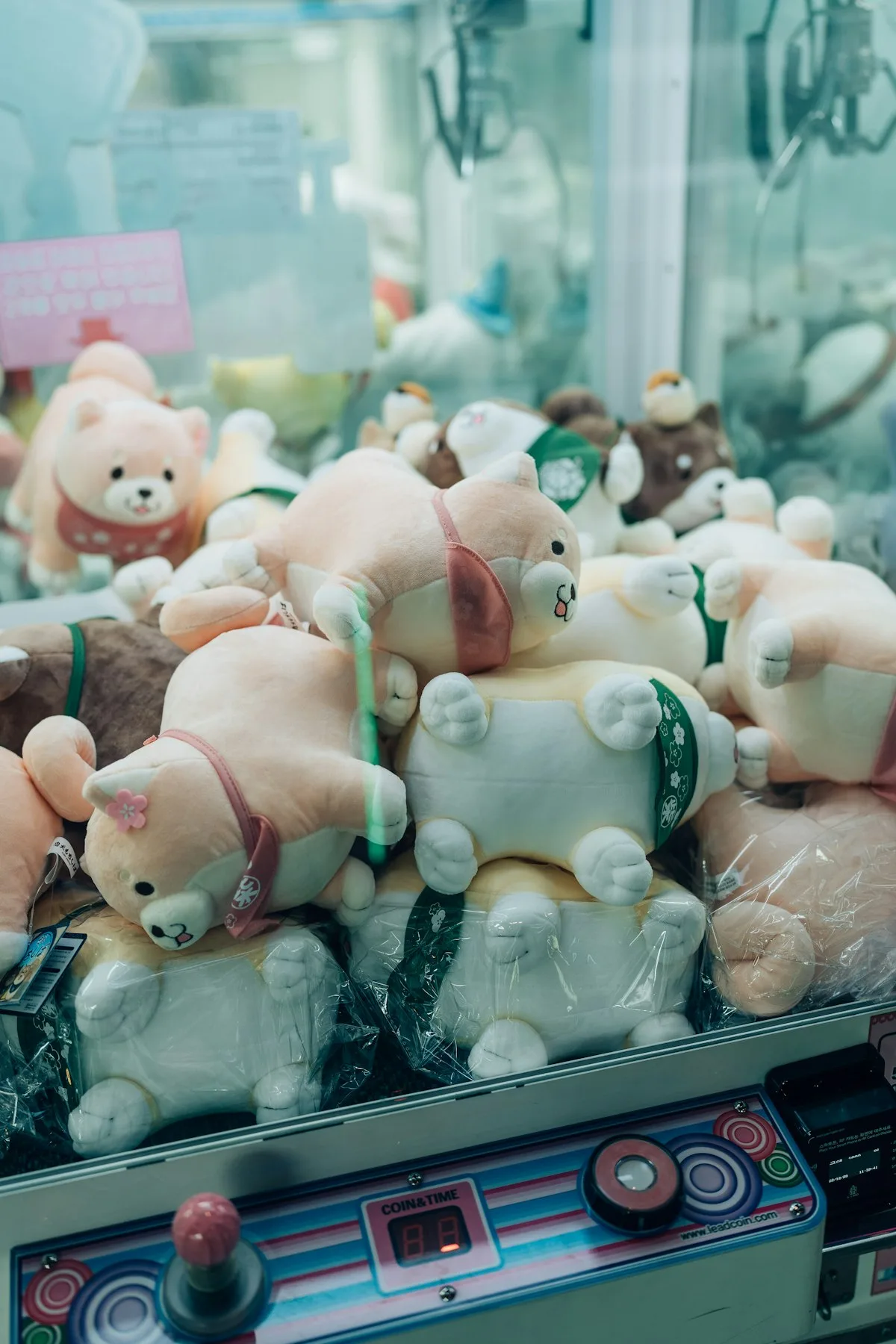
Singapore’s government announced in February that it’s bringing in regulations for blind boxes. Not maybe, not studying the issue. Coming. Minister K. Shanmugam cited gambling risks directly. China already banned blind box sales to children under eight. So the question people keep asking, the one that shows up in search bars and opinion pieces and concerned parent group chats, is straightforward: are blind boxes gambling?
I’ve opened a lot of blind boxes. Physical ones, digital ones, capsule toys from gashapon machines in Tokyo basements. I’ve felt the pull and the letdown and the one-in-seventy-two chase figure high. So I have opinions on this. And the honest answer is: it depends on which part you’re looking at, and it matters a lot whether you’re talking about physical toys or digital widgets.
The Case That Blind Boxes Are Gambling
The argument is not complicated. You pay money for an unknown outcome. The outcome has variable value. Some results are common and worth less than you paid. Some results are rare and worth much more. You are, in the most literal sense, wagering money on a chance-based result with a variable payout.
That’s the structure of a lottery. It’s also the structure of a gacha pull. It’s also, and this is the part that makes people uncomfortable, the structure of buying a Pokemon card pack or a Pop Mart blind box.
Singapore’s concern is specific and legitimate. When China banned blind box sales to children under eight and limited spending for older kids, they pointed to real behavioral patterns. Kids chasing rare figures spending beyond their means. The secondary market inflating values to absurd levels. A Pop Labubu figure that retails for $15 can resell for $200 on the right day. That’s not collecting anymore. That’s speculation, and speculation by minors is exactly what gambling regulations target.
The dopamine mechanics are well documented too. The psychology of unboxing explains this in detail, but the short version is: variable ratio reinforcement — the technical term for rewarding behavior on an unpredictable schedule — is the same mechanism that makes slot machines hard to walk away from. You don’t know when the next reward comes, so you keep pulling.
So yes. If you strip it down to the mechanics, blind boxes share DNA with gambling. Anyone who tells you otherwise is being dishonest or hasn’t thought about it hard enough.
The Case That They’re Not
But then things get interesting.
Gambling, in the legal sense, requires a few things. Consideration (you pay to play). Chance (the outcome is random). Prize (you can win something of value). Most jurisdictions also require that the prize be convertible to money or have monetary value as its primary purpose.
That last part is where blind boxes diverge. The primary value of a Sonny Angel figure is not its resale price. It’s the figure itself. You display it. You put it on your desk. You attach it to your phone case. The fact that someone else will pay $50 for it on Mercari is secondary to the fact that you wanted the thing for the thing.
Compare that to a lottery ticket. Nobody buys a lottery ticket for the aesthetic experience of holding a piece of paper with numbers on it. The entire value is in the potential payout. With a blind box, you get something every time. It might not be the one you wanted, but you get a complete, tangible item that has use and meaning outside of its market price.
Most designer toy companies also publish their rarity rates. Pop Mart puts the odds on the box. You know going in that the secret chase figure appears once in every 144 boxes. That transparency is the opposite of how gambling works. Casinos don’t tell you which slot machine is “hot.” Poker rooms don’t reveal the deck before dealing.
And here’s the thing that gets left out of most of these conversations: the collector’s mindset is different from the gambler’s mindset. A gambler plays to win. A collector opens to discover. These feel similar because both involve surprise, but they’re motivated by completely different things. I don’t open a blind box hoping to flip it for profit. I open it because I want to see what’s inside. The chase figure is a bonus, not the point.
Why Digital Widget Blind Boxes Change the Equation
Most regulation debates haven’t caught up to this part yet.
When you open a blind box widget in an app like 24QW, the mechanics are similar. You tap, something appears, you don’t know what it is ahead of time. There are rarity tiers. There’s surprise. There’s the same dopamine hit when something rare shows up on your screen. We’ve written about how rarity works in widgets, and the feeling is real.
But the differences matter more than the similarities.
First, there’s no secondary market. You can’t resell a digital widget. There’s no eBay listing, no Mercari flip, no “WTB/LF” thread where collectors trade up. The widget exists on your phone and that’s where it stays. Without resale value, the speculation angle disappears entirely. Nobody is “investing” in digital widgets hoping to cash out later.
Second, the cost structure is different. Physical blind boxes cost real money per box, and the chase mechanics incentivize buying box after box. Digital blind boxes can operate on subscription or earn-through models where you’re not spending per pull. The financial pressure to keep opening is fundamentally different when each pull doesn’t cost $12.
Third, digital platforms have built-in controls that physical retail can’t match. Age verification is trivial on a phone. Spending limits can be enforced at the account level. Drop frequency is controlled by the app, not by how many boxes a store decides to stock.
None of this means digital blind boxes are immune to the same psychological hooks. They’re not. The surprise mechanic works the same way whether the box is made of cardboard or pixels. But the practical consequences, the ones that regulators are worried about, are meaningfully reduced.
Where I Actually Land
I think physical blind boxes for adults are fine. Adults can make informed choices about spending money on chance-based entertainment. We do it constantly, from trading card games to claw machines to raffle tickets at school fundraisers.
I think physical blind boxes marketed to children need guardrails, and China and Singapore are right to impose them. The combination of variable rewards, social pressure, and resale markets is a lot for a ten-year-old to navigate without help.
I think digital blind box widgets sit in a genuinely different category. They share the fun part of surprise without most of the exploitative parts. No resale pressure. No shelf full of duplicates you need to offload. No kid spending lunch money at the mall because the secret chase is “worth” fifty bucks.
When I wrote about what blind box apps actually are, I said they bring surprise-and-collect mechanics to your phone. That’s still true. But I should have been clearer about this: moving the mechanic to a screen, where there’s no secondary market and spending can be controlled, doesn’t just change the format. It changes the ethical profile.
Your home screen is personal space. The widgets you put there are self-expression. When you open a blind box widget and get something rare, the feeling is real. But the stakes are low in a way that physical blind boxes can’t always guarantee, especially for kids.
The Regulation Will Come Either Way
Singapore’s regulations will land mid-2026. Other countries will follow. The blind box industry grew too fast and too visible to avoid scrutiny forever, and some of that scrutiny is warranted.
But regulation should be specific. Blanket rules that treat all blind box mechanics the same, whether they’re physical toys with active resale markets or digital widgets with no cash-out option, miss the point. The problem isn’t surprise. The problem is when surprise meets uncontrolled spending meets real-money speculation.
Digital collectible widgets have one of those three. Maybe one and a half, if you count the psychological pull of rarity. Physical blind boxes have all three. The regulation should reflect that difference.
In the meantime, I’ll keep opening blind box widgets on my phone. The chase is still fun. The surprise still works. And when I pull something rare, I put it on my home screen where I can see it every time I unlock my phone. That’s the whole point.
Check out 24QW to see what blind box widgets feel like when the stakes are just right.